Digital Marketing Services for Scaling Businesses
Growth changes everything. What worked in the early phase starts breaking as demand increases, competition intensifies, and customer expectations evolve. Scaling businesses need more than basic promotion; they need structured, performance-driven systems that sustain momentum. The best digital marketing agency often emphasizes scalability, but businesses must know which services actually support expansion.
At this stage, marketing must shift from experimentation to precision. Every campaign, channel, and message must align with clear growth objectives. Scaling is not about doing more; it is about doing what works—better, faster, and at a larger scale.
The Shift from Growth to Scale
Many businesses confuse growth with scale. Growth often involves increasing resources along with revenue, while scaling focuses on increasing revenue without a proportional rise in costs.
Marketing plays a central role in this transition. A scaling strategy must:
- Maximize efficiency across channels
- Reduce dependency on a single traffic source
- Strengthen brand authority
- Improve conversion rates at every stage
Without these elements, growth becomes unstable and difficult to sustain.
Core Digital Marketing Services That Drive Scale
Performance Marketing with Precision
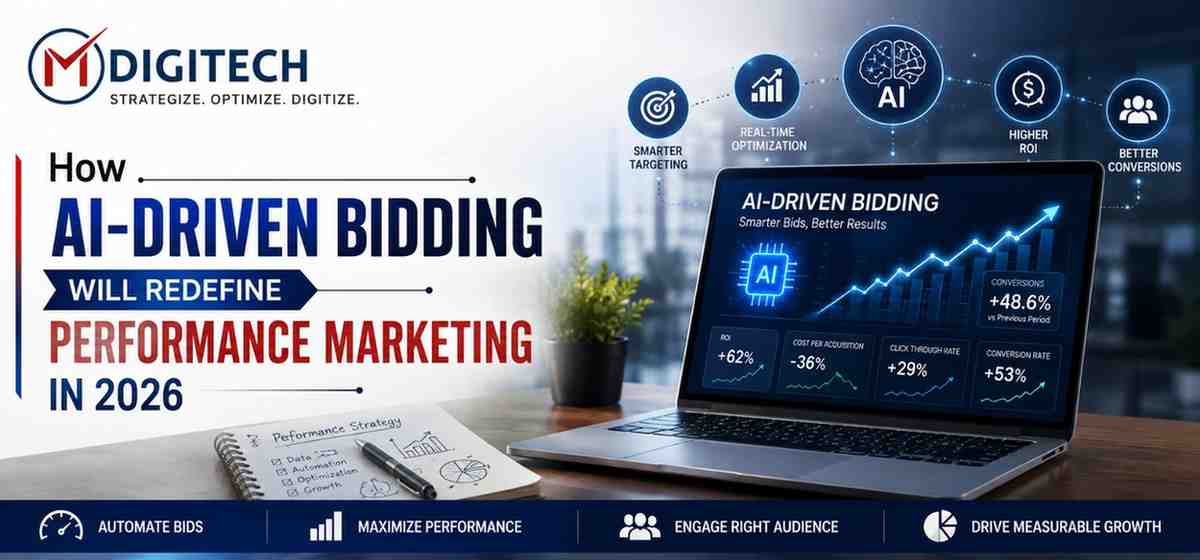
Paid campaigns remain a strong driver of fast results, but scaling requires disciplined execution. Businesses must move beyond basic ads and build systems that optimize performance continuously.
Key components include:
- Advanced audience segmentation
- Data-backed bidding strategies
- Creative testing at scale
- Retargeting campaigns
Scaling paid marketing requires constant optimization. Campaigns must evolve based on real-time data, not assumptions.
Search Engine Optimization for Long-Term Authority
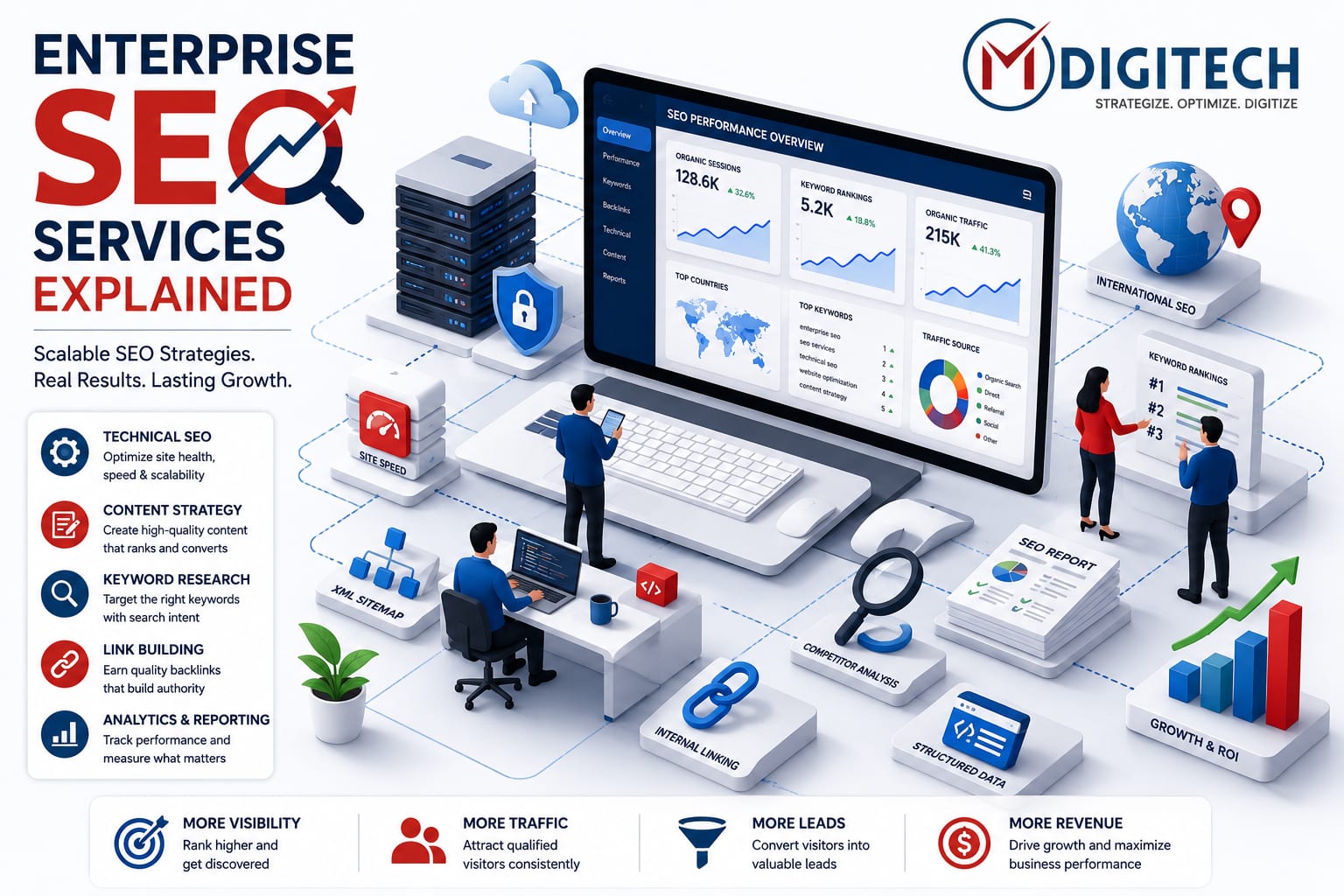
SEO becomes even more valuable during scaling. It reduces reliance on paid channels and builds sustainable traffic pipelines.
Effective SEO for scaling businesses focuses on:
- Expanding keyword coverage across buyer journeys
- Strengthening domain authority through backlinks
- Improving technical performance for large websites
- Creating content clusters for topic dominance
A strong SEO strategy transforms a website into a consistent source of qualified traffic.
Content Marketing That Supports Expansion
Content plays a different role at scale. It no longer just attracts attention; it nurtures leads and reinforces brand positioning.
High-impact content strategies include:
- Pillar pages targeting broad topics
- Supporting blogs addressing specific queries
- Case studies highlighting measurable outcomes
- Video content for engagement and retention
Content must align with business goals and customer intent. Random publishing does not support scaling.
Conversion Rate Optimization (CRO)
As traffic increases, inefficiencies become more expensive. CRO ensures that businesses extract maximum value from every visitor.
Focus areas include:
- A/B testing landing pages
- Refining user experience across devices
- Optimizing call-to-action placements
- Reducing friction in checkout or lead forms
Small improvements in conversion rates can significantly boost revenue without increasing traffic.
Marketing Automation Systems
Scaling businesses cannot rely on manual processes. Automation ensures consistency, speed, and personalization at scale.
Essential automation areas:
- Email workflows for lead nurturing
- CRM integration for customer tracking
- Behavior-based messaging
- Lead scoring systems
Automation allows businesses to manage larger audiences without losing personalization.
Multi-Channel Strategy for Sustainable Scale
Relying on a single channel creates risk. Algorithm changes, competition, or rising costs can disrupt growth overnight.
A balanced strategy includes:
- Organic search for consistent traffic
- Paid ads for quick scaling
- Social media for engagement and visibility
- Email for retention and repeat business
Each channel must complement the others rather than operate in isolation.
Building a Strong Data Framework
Scaling requires clarity. Data provides that clarity by revealing what works and what does not.
Important metrics to track:
- Customer acquisition cost (CAC)
- Customer lifetime value (CLV)
- Conversion rates across funnels
- Return on ad spend (ROAS)
- Engagement metrics across platforms
Businesses must build dashboards that provide actionable insights. Decisions should rely on performance data, not guesswork.
Brand Positioning at Scale
As businesses grow, competition increases. Strong positioning helps maintain differentiation.
A clear brand position should:
- Communicate unique value
- Address specific customer pain points
- Maintain consistency across channels
- Build emotional connection
Brand strength directly impacts conversion rates and customer loyalty.
The Role of Personalization
Scaling does not mean losing the human touch. Personalization enhances customer experience and drives engagement.
Effective personalization includes:
- Dynamic website content based on user behavior
- Personalized email campaigns
- Product recommendations
- Targeted advertising
Customers respond better when marketing feels relevant and tailored.
Retention as a Growth Multiplier
Acquiring new customers becomes more expensive at scale. Retention improves profitability and stabilizes revenue.
Retention strategies include:
- Loyalty programs
- Regular communication through email
- Exclusive offers for existing customers
- Customer feedback loops
A strong retention strategy reduces dependency on constant acquisition.
Common Challenges in Scaling Marketing
Scaling introduces complexity. Businesses often face:
- Rising advertising costs
- Inconsistent messaging across channels
- Difficulty maintaining quality
- Data overload without clear insights
Addressing these challenges requires structured systems and continuous optimization.
Budget Allocation for Scaling Businesses
Budget decisions impact growth trajectory. Scaling businesses must allocate resources strategically.
Suggested allocation framework:
- 35–45% on performance marketing
- 20–25% on SEO and content
- 15–20% on automation and tools
- Remaining on experimentation and innovation
Budgets should remain flexible and adapt based on performance.
Importance of Creative Strategy
Creative elements influence engagement and conversions. At scale, creativity must remain consistent and data-driven.
Key aspects:
- Strong visual identity
- Clear messaging
- Compelling storytelling
- Regular creative testing
Creativity must align with brand positioning and audience expectations.
Leveraging Advanced Analytics
Basic analytics no longer suffice. Scaling businesses must adopt advanced tools and techniques.
This includes:
- Predictive analytics for forecasting trends
- Attribution models to track customer journeys
- Cohort analysis for retention insights
- Funnel analysis for identifying drop-off points
Advanced analytics provide deeper insights and enable better decision-making.
Integration Across Teams
Marketing cannot operate in isolation. Scaling requires alignment across:
- Sales teams
- Product development
- Customer support
This integration ensures consistent messaging and better customer experience.
Building Scalable Marketing Systems
A scalable system allows businesses to handle increased demand without losing efficiency.
Such systems include:
- Documented processes
- Standardized workflows
- Automated reporting
- Continuous optimization cycles
Systems reduce dependency on individuals and improve consistency.
Balancing Short-Term Wins and Long-Term Growth
Scaling businesses must balance immediate results with sustainable strategies.
Short-term focus:
- Paid campaigns
- Promotions
- Product launches
Long-term focus:
- SEO
- Brand building
- Customer relationships
Both elements must work together to support continuous growth.
The Importance of Experimentation
Even at scale, experimentation remains essential. Markets evolve, and strategies must adapt.
Businesses should:
- Test new channels
- Experiment with messaging
- Analyze results quickly
- Scale successful campaigns
A culture of testing drives innovation and prevents stagnation.
Conclusion
Scaling businesses need more than basic marketing efforts. They require structured strategies, data-driven decisions, and systems that support growth without increasing complexity. Digital marketing services play a critical role in this process, but success depends on how effectively these services align with business objectives.
By focusing on performance marketing, SEO, content, automation, and conversion optimization, businesses can build a strong foundation for sustained expansion. Consistency, adaptability, and strategic execution transform marketing into a powerful growth engine that supports long-term success.