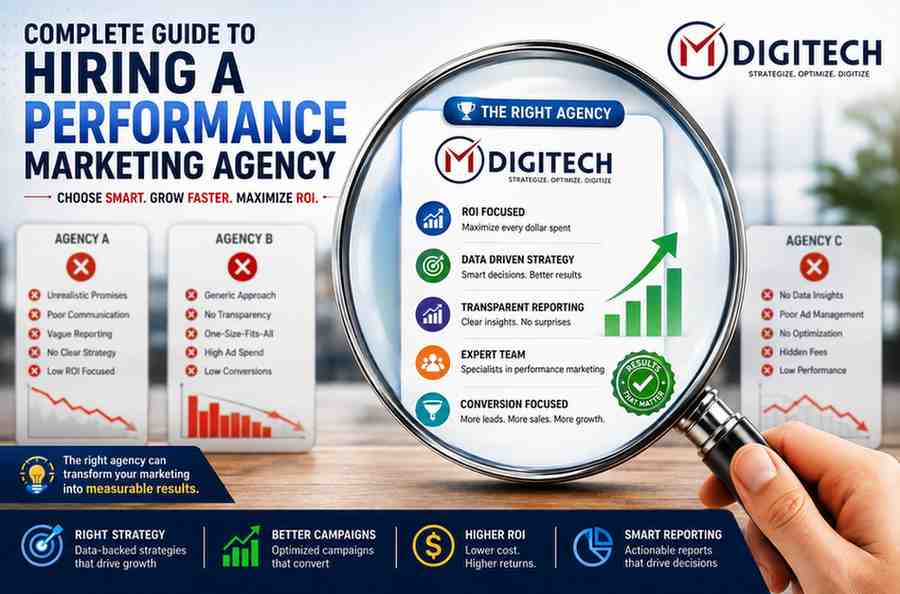
Growing a business requires more than attracting visitors. Every marketing dollar should contribute to measurable outcomes such as qualified leads, sales, or customer retention. Performance marketing helps businesses achieve those goals by focusing on results rather than assumptions. However, choosing the right agency requires careful evaluation because every partnership influences growth, budget efficiency, and long-term success. A structured selection process helps businesses identify agencies capable of delivering measurable performance while maintaining transparency, accountability, and continuous optimization.
What Is Performance Marketing?
Performance marketing is a results-focused approach in which businesses pay for measurable outcomes instead of relying solely on brand exposure. Campaigns target specific objectives, including lead generation, online sales, app downloads, form submissions, and customer acquisitions.
Unlike traditional advertising, performance marketing emphasizes data-driven decision-making. Every campaign produces measurable insights that help marketers improve future performance. Consequently, businesses gain greater control over budgets while maximizing return on investment.
Modern performance marketing combines multiple digital channels into one coordinated strategy. Rather than treating each platform separately, experienced marketers create campaigns that work together throughout the customer journey.
Successful campaigns typically include:
- Paid search advertising
- Paid social campaigns
- Display advertising
- Shopping campaigns
- Native advertising
- Video advertising
- Conversion rate optimization
- Landing page optimization
- Analytics and reporting
- Audience targeting
- Remarketing campaigns
Each channel contributes differently depending on business goals, target audiences, and available budgets.
Why Hiring the Right Agency Matters
Managing high-performing campaigns requires technical expertise, strategic planning, creative execution, and continuous optimization. Although many businesses attempt to manage campaigns internally, limited resources often reduce efficiency.
Professional agencies dedicate specialized teams to campaign management. Designers, media buyers, analysts, copywriters, developers, and strategists collaborate to improve every stage of campaign performance.
Moreover, experienced agencies monitor campaign performance daily rather than making occasional adjustments. Continuous optimization minimizes wasted advertising spend while identifying opportunities for stronger returns.
Choosing the wrong agency, however, can produce expensive consequences, including:
- Poor targeting
- Weak conversion rates
- Inefficient budget allocation
- Low-quality traffic
- Misleading reporting
- Missed revenue opportunities
- Declining customer confidence
Selecting the right partner significantly reduces these risks.
Signs Your Business Needs a Performance Marketing Agency
Many organizations delay professional support until marketing challenges become severe. Recognizing early warning signs helps businesses improve results before problems grow.
Advertising Costs Keep Rising
Higher advertising costs without increased revenue often indicate ineffective campaign management.
Experienced professionals continuously refine targeting, bidding strategies, creative assets, and landing pages to improve efficiency.
Lead Quality Continues to Decline
Generating large numbers of leads means little if those prospects rarely convert.
Strong performance marketers focus on attracting qualified audiences instead of maximizing traffic alone. Consequently, businesses receive leads with greater purchasing potential.
Internal Teams Lack Specialized Skills
Digital advertising platforms change frequently.
Without dedicated specialists monitoring updates, businesses may struggle to keep campaigns competitive. Professional agencies remain current with evolving platform capabilities, helping clients adapt quickly.
Reporting Lacks Actionable Insights
Reports should explain more than impressions and clicks.
Effective agencies identify meaningful trends, conversion patterns, customer behaviors, and opportunities for improvement. Therefore, decision-makers receive information that supports strategic planning instead of isolated performance numbers.
Key Services Offered by Performance Marketing Agencies
Professional agencies provide a broad range of services designed to improve measurable business outcomes.
Paid Search Advertising
Search advertising reaches potential customers actively looking for products or services.
Campaign managers optimize:
- Keyword selection
- Ad copy
- Bidding strategies
- Landing pages
- Audience targeting
- Conversion tracking
As campaigns mature, data reveals which keywords generate the strongest returns.
Paid Social Advertising
Social platforms allow businesses to reach highly targeted audiences based on interests, demographics, behaviors, and purchasing intent.
Successful campaigns combine persuasive creative assets with precise audience segmentation.
Moreover, continuous testing improves engagement while reducing acquisition costs.
Display Advertising
Display campaigns increase visibility across websites, mobile applications, and digital publications.
Although display advertising often supports awareness, carefully planned campaigns also generate qualified traffic through strategic audience targeting.
Remarketing Campaigns
Many visitors leave websites without converting.
Remarketing reconnects with previous visitors through personalized advertisements that encourage them to return and complete desired actions.
This strategy frequently improves conversion rates because audiences already recognize the business.
Conversion Rate Optimization
Traffic alone cannot guarantee revenue.
Conversion optimization improves website elements that influence customer decisions.
Areas commonly optimized include:
- Headlines
- Calls to action
- Landing page layouts
- Forms
- Page speed
- Navigation
- Mobile usability
- Visual hierarchy
Small improvements across multiple pages often produce meaningful revenue growth.
Essential Qualities to Look For in an Agency
Every agency presents impressive marketing materials. However, successful partnerships depend on operational excellence rather than promotional claims.
Transparency
Reliable agencies explain strategies, reporting methods, pricing structures, and campaign decisions clearly.
Clients should always know how advertising budgets are allocated.
Strong Communication
Consistent communication prevents misunderstandings while encouraging collaboration.
Regular meetings, detailed reports, and proactive recommendations strengthen long-term partnerships.
Analytical Thinking
Campaign management depends heavily on data interpretation.
Strong analysts identify patterns, diagnose problems, and recommend improvements supported by measurable evidence.
Adaptability
Advertising platforms evolve continuously.
Successful agencies respond quickly to algorithm changes, competitive shifts, audience behavior, and emerging opportunities without disrupting campaign performance.
Questions to Ask Before Signing a Contract
Choosing an agency should involve meaningful conversations rather than quick decisions.
Important questions include:
- What industries do you regularly serve?
- How do you measure campaign success?
- Which performance indicators receive the greatest attention?
- How frequently will reporting occur?
- Who manages day-to-day communication?
- How do you handle campaign optimization?
- What happens if performance declines?
- Which advertising platforms fit our goals?
- How will you allocate the budget?
- What level of collaboration should we expect?
Clear answers help businesses evaluate expertise, communication style, and strategic alignment before making a long-term commitment.
How Performance Marketing Agencies Structure Their Pricing
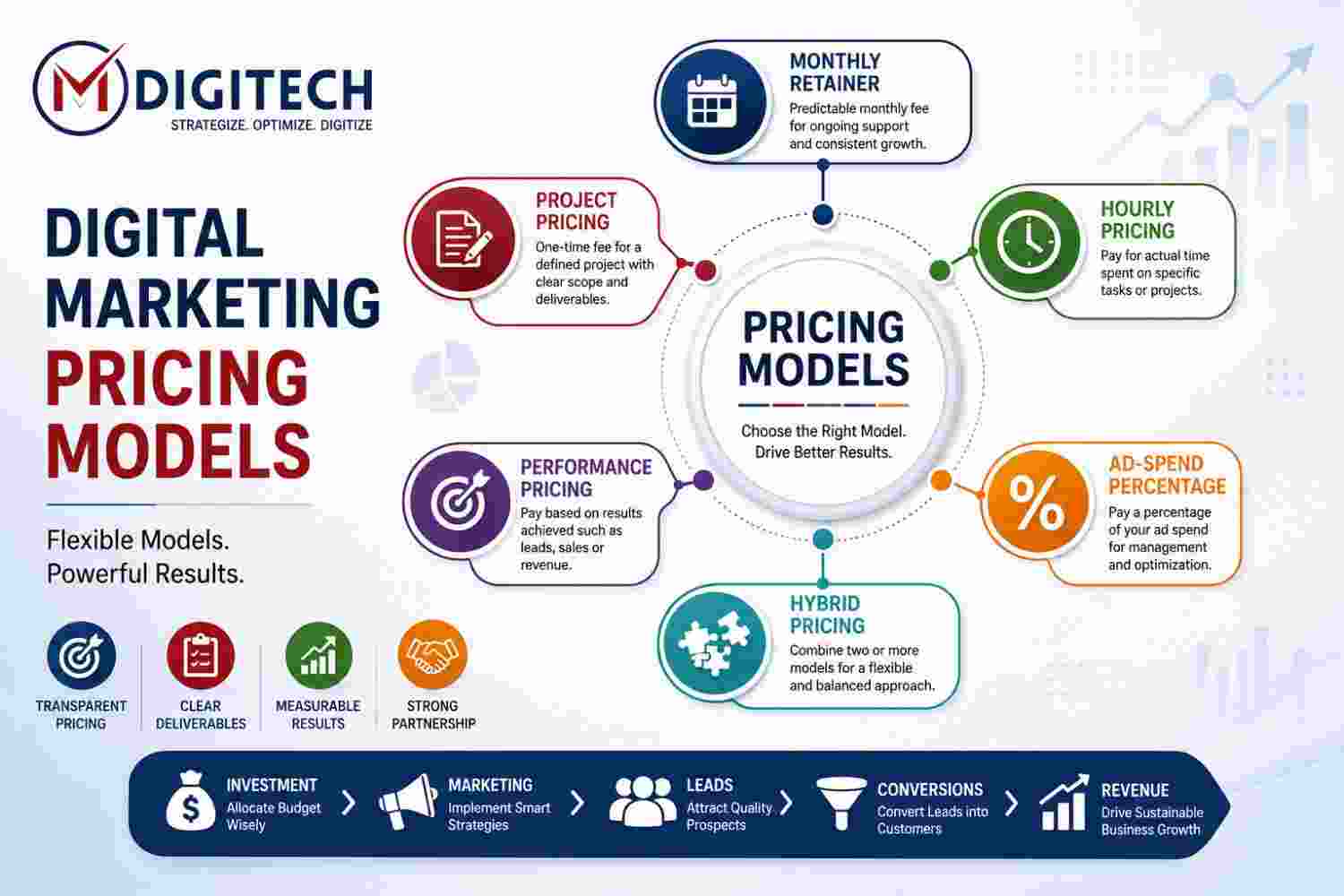
Pricing varies based on campaign complexity, advertising channels, management requirements, and business goals. Therefore, businesses should evaluate pricing models carefully instead of focusing only on the lowest cost.
A transparent pricing structure allows companies to compare value while avoiding unexpected expenses later.
Percentage of Ad Spend
Many agencies charge a percentage of the monthly advertising budget.
Advantages include:
- Scales with campaign growth
- Encourages ongoing optimization
- Suitable for larger advertising budgets
However, businesses should confirm whether higher spending automatically increases management fees without additional services.
Flat Monthly Fee
Some agencies charge a fixed monthly management fee regardless of advertising spend.
Benefits include:
- Predictable budgeting
- Simple financial planning
- Clear service expectations
This model often works well for businesses seeking long-term stability.
Performance-Based Pricing
Certain agencies tie a portion of compensation to measurable outcomes.
Performance indicators may include:
- Qualified leads
- Sales
- Revenue growth
- Customer acquisitions
- Conversion improvements
Although attractive, businesses should carefully define performance metrics before signing agreements.
Important Metrics That Measure Success
Successful campaigns depend on measurable performance rather than assumptions.
Reliable agencies focus on meaningful business indicators instead of vanity metrics that provide little strategic value.
Common performance indicators include:
- Return on ad spend (ROAS)
- Cost per acquisition (CPA)
- Conversion rate
- Customer lifetime value
- Click-through rate
- Lead quality
- Revenue growth
- Average order value
- Cost per lead
- Customer retention
Moreover, agencies should explain how each metric contributes to overall business objectives rather than presenting isolated statistics.
Landing Pages Matter as Much as Advertisements
Strong advertisements generate interest, but landing pages determine whether visitors become customers.
Even exceptional advertising campaigns struggle when landing pages create friction.
High-converting landing pages typically include:
Clear Headlines
Visitors should immediately recognize the value offered.
Simple messaging reduces confusion while encouraging continued engagement.
Strong Calls to Action
Every landing page should direct visitors toward one primary action.
Too many competing options often reduce conversions.
Fast Loading Speed
Slow pages discourage potential customers before they interact with the content.
Performance optimization supports both customer satisfaction and campaign efficiency.
Trust Signals
Visitors feel more confident when they see:
- Customer testimonials
- Certifications
- Security indicators
- Clear contact information
- Transparent policies
These elements reduce hesitation during the decision-making process.
Reporting Should Drive Better Decisions
Reports should provide more than charts and percentages.
Effective reporting explains what happened, why it happened, and what actions should follow.
High-quality reports generally include:
- Campaign performance summaries
- Budget allocation
- Audience insights
- Conversion analysis
- Winning advertisements
- Underperforming campaigns
- Recommended improvements
- Upcoming optimization priorities
Furthermore, consistent reporting strengthens collaboration because both parties remain aligned on shared objectives.
Red Flags to Watch Before Hiring
Not every agency delivers the quality it promises.
Recognizing warning signs early protects marketing investments and prevents unnecessary setbacks.
Be cautious if an agency:
- Guarantees specific rankings or instant success
- Refuses to explain campaign strategies
- Avoids sharing performance data
- Uses vague reporting
- Locks clients into unreasonable contracts
- Lacks a structured optimization process
- Provides unrealistic projections
- Communicates inconsistently
- Prioritizes impressions over conversions
- Ignores business objectives
A trustworthy agency sets realistic expectations while maintaining transparency throughout the relationship.
Common Hiring Mistakes Businesses Make
Selecting an agency involves more than comparing proposals.
Several common mistakes reduce the likelihood of long-term success.
Choosing Based Only on Price
Lower fees do not always produce better value.
An inexpensive service that generates weak results often costs more over time through missed opportunities and wasted advertising spend.
Ignoring Industry Knowledge
Every industry presents different customer behaviors, competition levels, and purchasing cycles.
Relevant experience often improves campaign planning and optimization.
Setting Unclear Goals
Agencies perform best when objectives remain specific.
Businesses should establish measurable goals before launching campaigns, including revenue targets, lead volume, customer acquisition costs, and desired growth rates.
Expecting Immediate Results
Performance marketing requires testing, refinement, and optimization.
Although some improvements appear quickly, sustainable growth develops through continuous analysis and strategic adjustments.
Building a Long-Term Agency Partnership
The strongest client relationships focus on collaboration rather than simple service delivery.
Businesses and agencies achieve better outcomes when they communicate openly, share performance feedback, and review objectives regularly.
Successful partnerships usually include:
- Monthly strategy meetings
- Shared performance goals
- Transparent reporting
- Continuous campaign testing
- Budget reviews
- Creative collaboration
- Market analysis
- Long-term planning
Moreover, agencies should remain proactive by identifying new opportunities before competitors gain an advantage.
Performance Marketing Trends Shaping Future Growth
Consumer behavior and advertising platforms continue to evolve. Consequently, agencies must adapt strategies to maintain strong campaign performance.
Important developments include:
- Greater automation in campaign management
- Improved audience segmentation
- First-party data strategies
- AI-assisted bid optimization
- Enhanced conversion tracking
- Privacy-focused advertising practices
- Cross-channel campaign integration
- Predictive performance analysis
Businesses that embrace these improvements position themselves for stronger long-term results while maintaining greater flexibility in changing markets.
A Final Evaluation Checklist
Before signing an agreement, review each area carefully.
Confirm that the agency demonstrates:
- Clear communication
- Transparent pricing
- Strategic planning
- Technical expertise
- Reliable reporting
- Proven optimization processes
- Strong analytical capabilities
- Collaborative working style
- Scalable solutions
- Commitment to measurable business outcomes
A careful evaluation reduces uncertainty while increasing confidence in the partnership.
Making the Final Hiring Decision
Selecting a performance marketing agency requires balancing expertise, communication, transparency, and long-term compatibility. Rather than choosing the first proposal that appears impressive, compare multiple agencies against the same evaluation criteria.
Review their strategic approach, reporting process, campaign management style, and willingness to explain recommendations clearly. Ask how they respond when campaigns underperform and how frequently they optimize active accounts.
Businesses searching for a top digital marketing agency should prioritize measurable business outcomes, ethical practices, and collaborative relationships instead of impressive presentations alone. A dependable partner focuses on continuous improvement while aligning every campaign with organizational objectives.
Maximizing Results After Onboarding
Hiring an agency marks the beginning of a collaborative process rather than the finish line.
Businesses contribute significantly to campaign success by providing timely feedback, accurate business information, and clear performance expectations.
Successful onboarding includes:
- Defining measurable goals
- Sharing customer insights
- Providing brand assets
- Establishing communication schedules
- Confirming reporting expectations
- Setting realistic timelines
- Reviewing campaign milestones
- Approving decision-making processes
Moreover, regular discussions help both parties identify opportunities, address challenges, and refine strategies before small issues affect overall performance.
The Long-Term Value of Performance Marketing
Performance marketing creates sustainable growth by combining measurable data with continuous optimization.
Instead of relying on assumptions, businesses make informed decisions supported by campaign performance, customer behavior, and conversion analysis.
Over time, consistent optimization improves advertising efficiency, strengthens customer acquisition, increases revenue opportunities, and reduces unnecessary spending. Consequently, businesses develop scalable marketing systems capable of adapting to changing markets without sacrificing performance.
An experienced agency also helps organizations identify emerging opportunities, improve competitive positioning, and maintain marketing consistency across multiple channels.
Conclusion
Hiring a performance marketing agency represents a strategic investment rather than a routine business expense. Careful evaluation, realistic expectations, transparent communication, and ongoing collaboration create the strongest partnerships. Moreover, selecting an agency committed to measurable outcomes allows businesses to improve efficiency, strengthen customer acquisition, and achieve sustainable growth through data-driven marketing decisions.
Frequently Asked Questions
1. What does a performance marketing agency do?
A performance marketing agency plans, manages, and optimizes digital advertising campaigns that focus on measurable business outcomes. Services often include paid search, paid social advertising, conversion optimization, audience targeting, analytics, reporting, and budget management. The primary objective is improving returns through continuous testing and campaign refinement.
2. How is performance marketing different from traditional advertising?
Traditional advertising often emphasizes visibility and brand awareness, while performance marketing measures specific actions such as sales, leads, or registrations. Every campaign uses performance data to improve future results. This measurable approach allows businesses to evaluate effectiveness more accurately and allocate budgets with greater confidence.
3. How long does it take to see meaningful results?
Campaign performance varies according to competition, budget, industry, audience behavior, and optimization efforts. Some improvements appear within several weeks, while stronger long-term results typically develop through ongoing testing, refinement, and data analysis. Patience and consistent optimization usually produce the most sustainable outcomes.
4. Which businesses benefit most from performance marketing?
Businesses of nearly every size can benefit from performance marketing. Companies seeking qualified leads, online sales, appointment bookings, or measurable customer acquisition often achieve stronger results through carefully managed campaigns that focus on defined objectives rather than broad exposure alone.
5. How much should a business budget for performance marketing?
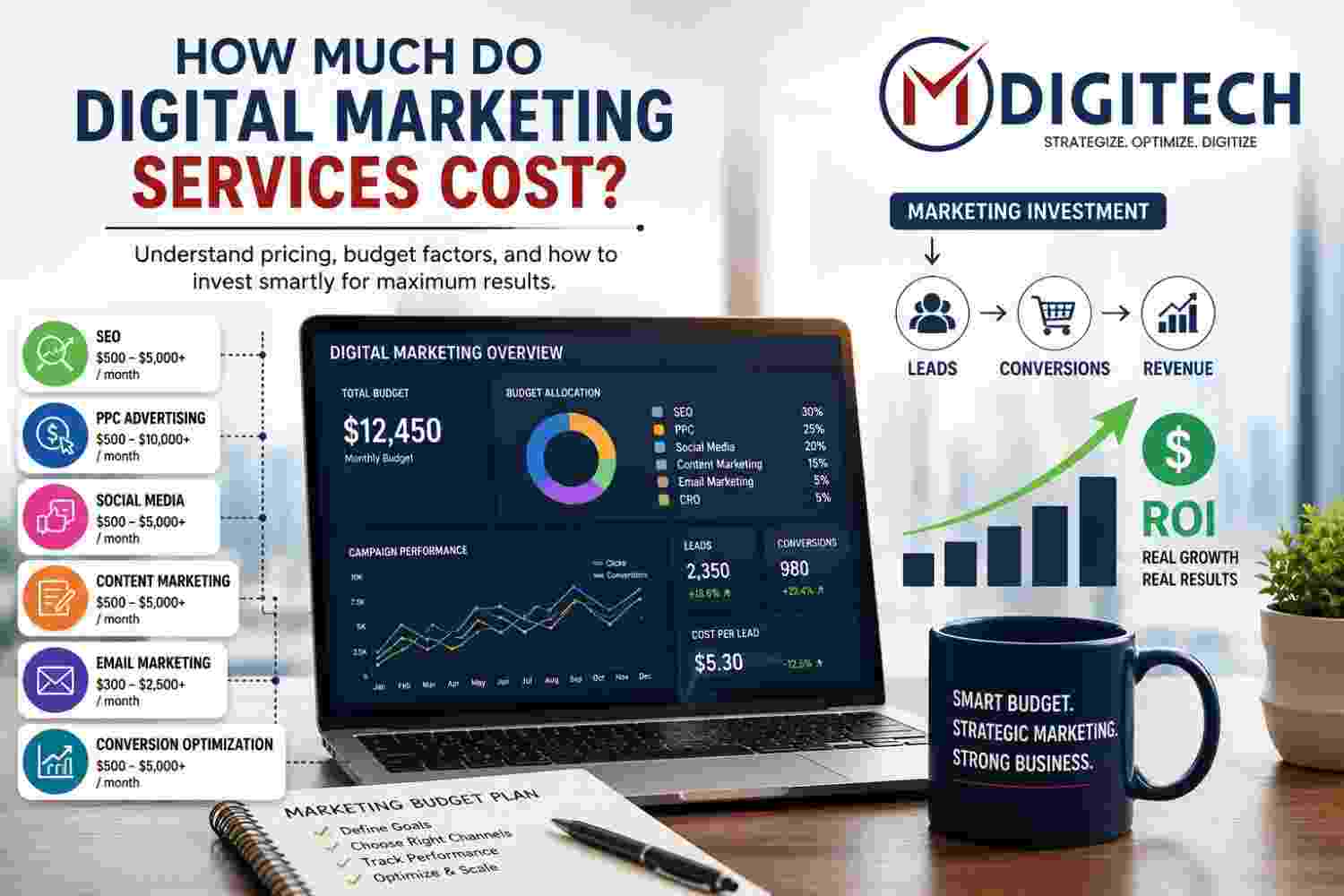
Budgets depend on industry competition, campaign goals, advertising channels, and growth expectations. Rather than selecting an arbitrary amount, businesses should establish realistic objectives first. An appropriate budget supports sufficient testing, optimization, and data collection while remaining financially sustainable over the long term.
6. Why are landing pages important for campaign success?
Landing pages influence whether visitors complete desired actions after clicking advertisements. Clear messaging, fast loading speeds, persuasive calls to action, and simple navigation improve conversion rates. Even highly effective advertisements cannot compensate for poorly designed landing pages that discourage customer engagement.
7. How often should campaign performance be reviewed?
Campaigns benefit from continuous monitoring and scheduled reporting. Agencies often evaluate performance daily while providing clients with weekly or monthly summaries. Frequent analysis allows faster adjustments, improved budget allocation, and quicker responses to changing audience behavior or competitive conditions.
8. Can performance marketing support long-term business growth?
Yes. Continuous optimization, audience refinement, conversion improvements, and data-driven decision-making help businesses increase efficiency over time. As campaigns generate additional insights, marketing strategies become more effective, supporting sustainable customer acquisition and stronger returns on advertising investments.
9. What should businesses expect from regular agency reports?
Reports should present meaningful insights rather than isolated statistics. Effective reporting explains campaign performance, conversion trends, budget usage, optimization activities, audience behavior, and recommended next steps. Clear reporting enables businesses to make informed strategic decisions with confidence.
10. What is the biggest mistake businesses make when hiring an agency?
Many businesses focus only on pricing instead of evaluating expertise, transparency, communication, and strategic capabilities. Selecting the right partner requires assessing long-term value rather than short-term savings. Careful evaluation increases the likelihood of building a productive relationship that delivers measurable business growth.