Digital Marketing Services for Startups: What Works Best
Startups operate in a high-pressure environment where every decision impacts survival and growth. Choosing the right strategy often determines whether a brand gains traction or fades away. The best digital marketing agency can provide direction, but startups must still understand what truly drives results.
Unlike established companies, startups do not have the luxury of large budgets or brand recognition. They rely on agility, experimentation, and smart allocation of resources. Digital marketing offers a powerful ecosystem where even small players can compete effectively—if they focus on the right services.
Why Startups Need Focused Digital Marketing
Startups often fall into the trap of trying everything at once—SEO, ads, social media, email, influencers—without a clear roadmap. This scattered approach drains resources and delivers inconsistent results.
A focused strategy ensures:
- Faster market penetration
- Better customer acquisition cost (CAC) control
- Strong brand positioning
- Measurable and scalable growth
Success does not come from using every channel; it comes from mastering the few that align with your audience and goals.
Core Digital Marketing Services That Work Best
1. Search Engine Optimization (SEO)
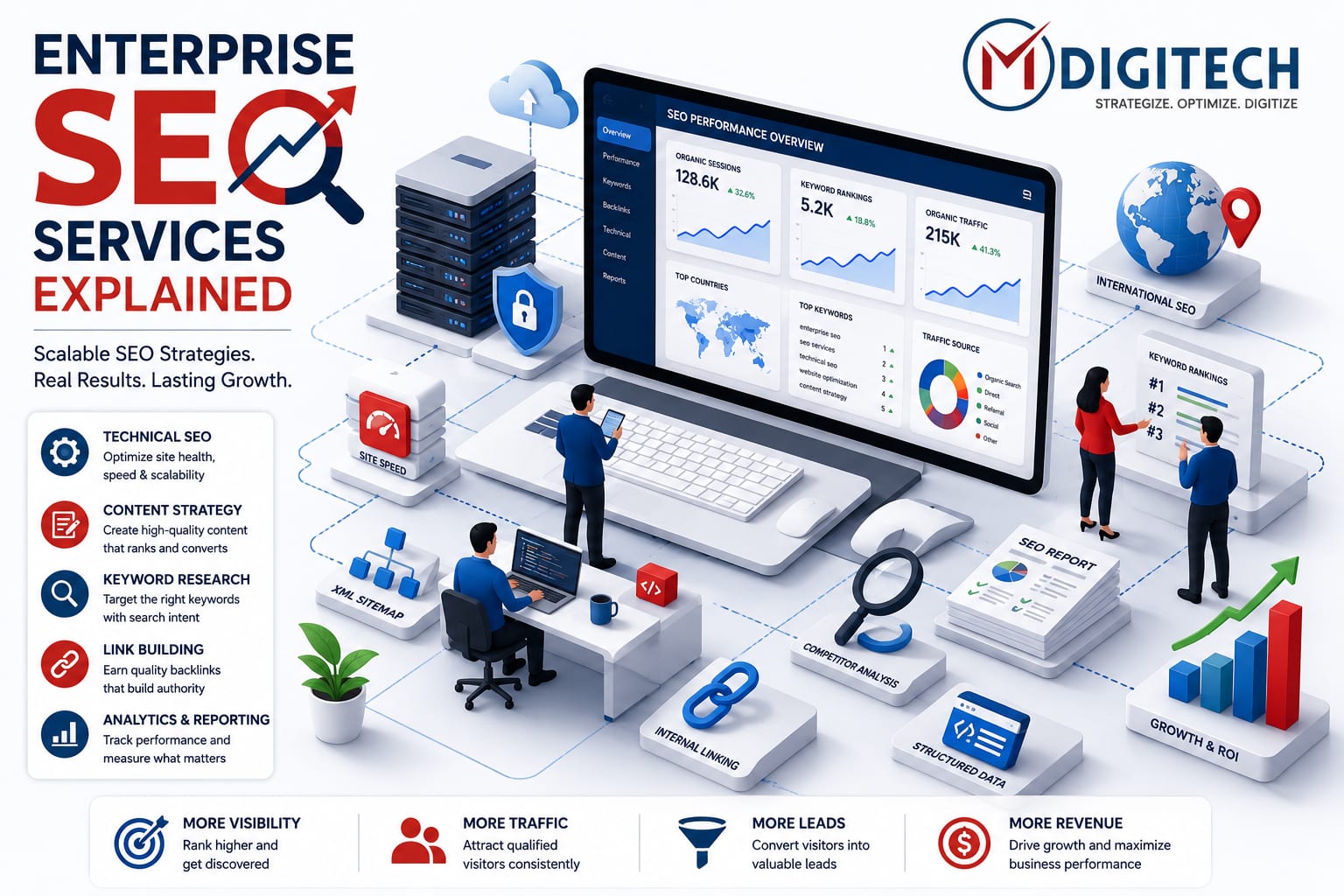
SEO remains one of the most cost-effective long-term strategies. For startups, it builds credibility and generates organic traffic without ongoing ad spend.
Key focus areas:
- Keyword research based on intent, not volume
- Technical optimization for fast-loading pages
- High-quality, problem-solving content
- Backlink building from relevant sources
Startups that invest early in SEO create a foundation that compounds over time. Unlike paid ads, organic rankings continue to deliver value long after the initial effort.
2. Performance Marketing (Paid Advertising)
While SEO takes time, paid advertising provides immediate visibility. Startups can use platforms like search engines and social media to reach targeted audiences quickly.
What makes it effective:
- Precise audience targeting
- Budget control with measurable ROI
- Rapid testing of offers and messaging
Best practices include:
- Start with small budgets and scale based on performance
- Focus on high-conversion landing pages
- Continuously optimize creatives and copy
Paid campaigns work best when backed by data, not assumptions.
3. Content Marketing
Content builds authority, educates audiences, and supports every other marketing channel. Startups can use content to establish trust even before making a sale.
High-performing content types:
- Blog posts that solve real problems
- Case studies that showcase results
- Educational videos and reels
- Infographics for quick consumption
Consistency matters more than volume. A few strong pieces of content outperform dozens of low-quality posts.
4. Social Media Marketing
Social media offers startups a direct connection with their audience. It is not just about posting regularly; it is about building a community.
Effective strategies include:
- Engaging storytelling rather than promotional posts
- Responding quickly to comments and messages
- Leveraging trends without losing brand identity
Platforms should be selected based on audience behavior. A B2B startup may find more success on professional networks, while a lifestyle brand may thrive on visual platforms.
5. Email Marketing
Email marketing remains one of the highest ROI channels. For startups, it creates a direct communication line without reliance on algorithms.
What makes it powerful:
- Personalized communication
- High conversion potential
- Retention and repeat business
Key elements of a strong email strategy:
- Lead magnets to capture email addresses
- Automated welcome sequences
- Regular newsletters with value-driven content
Email builds relationships that convert over time.
6. Conversion Rate Optimization (CRO)
Driving traffic is only half the battle. Converting that traffic into customers is where real growth happens.
CRO focuses on:
- Improving landing page design
- Simplifying user journeys
- Testing different calls-to-action (CTAs)
- Reducing friction in the checkout process
Even small improvements in conversion rates can significantly impact revenue without increasing marketing spend.
Choosing the Right Mix of Services
Every startup has different goals, resources, and audiences. The ideal combination of services depends on multiple factors.
Consider these aspects:
- Stage of the startup: Early-stage startups need awareness, while growth-stage startups focus on scaling
- Budget constraints: Limited budgets require prioritization
- Target audience behavior: Where does your audience spend time online?
- Product or service type: B2B and B2C strategies differ significantly
A typical high-performing combination for startups includes:
- SEO for long-term growth
- Paid ads for immediate traction
- Content marketing for authority
- Email marketing for retention
Common Mistakes Startups Must Avoid
Even with the right services, execution errors can derail progress.
Frequent mistakes:
- Trying to be present on every platform
- Ignoring data and analytics
- Focusing on vanity metrics like likes and followers
- Neglecting user experience on websites
- Expecting instant results from long-term strategies like SEO
Avoiding these pitfalls saves both time and money.
The Role of Data in Startup Marketing
Data-driven decisions separate successful startups from struggling ones. Every campaign should be tracked, analyzed, and optimized.
Important metrics to monitor:
- Customer acquisition cost (CAC)
- Lifetime value (LTV)
- Conversion rates
- Click-through rates (CTR)
- Return on ad spend (ROAS)
Startups should rely on insights rather than intuition. Data reveals what works and what needs improvement.
Budget Allocation Strategy for Startups
Budget constraints are a reality for most startups. Smart allocation ensures maximum returns.
Suggested budget distribution:
- 30–40% on performance marketing
- 20–30% on content and SEO
- 10–20% on tools and analytics
- Remaining on experimentation
Flexibility is crucial. Budgets should shift based on performance and results.
Building a Scalable Marketing System
Startups should not rely on one-time campaigns. Instead, they should build systems that scale with growth.
A scalable system includes:
- Automated email workflows
- Retargeting campaigns
- Content calendars
- Analytics dashboards
Scalability ensures that efforts continue to deliver results as the business expands.
Importance of Brand Positioning
Marketing is not just about visibility; it is about perception. Startups must define how they want to be seen.
Strong positioning answers:
- What problem does the startup solve?
- Why should customers choose it over competitors?
- What makes it unique?
Clear positioning strengthens every marketing effort and improves conversion rates.
Leveraging Influencer Collaborations
Influencer marketing can accelerate growth when executed correctly. Startups can partner with micro-influencers who have highly engaged audiences.
Benefits include:
- Increased credibility
- Access to niche communities
- Cost-effective promotions
Authenticity matters more than follower count. Collaborations should feel natural and aligned with the brand.
The Power of Retargeting
Most users do not convert on their first visit. Retargeting helps bring them back.
Effective retargeting strategies:
- Show personalized ads based on user behavior
- Offer limited-time discounts
- Use reminder emails for abandoned carts
Retargeting improves conversion rates without increasing acquisition costs significantly.
Tools That Enhance Marketing Efficiency
Startups can leverage tools to streamline operations and improve performance.
Essential tool categories:
- Analytics tools for performance tracking
- Email automation platforms
- SEO research tools
- Social media scheduling tools
Using the right tools saves time and enhances accuracy.
Balancing Creativity and Strategy
Marketing success requires both creativity and structure. Creative campaigns attract attention, while strategy ensures results.
Startups should:
- Experiment with new ideas
- Test different formats and channels
- Analyze performance and refine strategies
This balance drives consistent growth.
Long-Term vs Short-Term Marketing
Startups often prioritize quick wins, but sustainable growth requires a balance.
Short-term strategies:
- Paid ads
- Influencer promotions
- Limited-time offers
Long-term strategies:
- SEO
- Content marketing
- Brand building
Both approaches must work together for optimal results.
Conclusion
Digital marketing offers startups an opportunity to compete with established players, but success depends on choosing the right services and executing them effectively. Instead of chasing every trend, startups should focus on strategies that align with their goals and audience.
A well-planned mix of SEO, paid advertising, content marketing, and retention strategies creates a strong foundation for growth. With consistent effort, data-driven decisions, and a clear vision, startups can turn limited resources into powerful results.