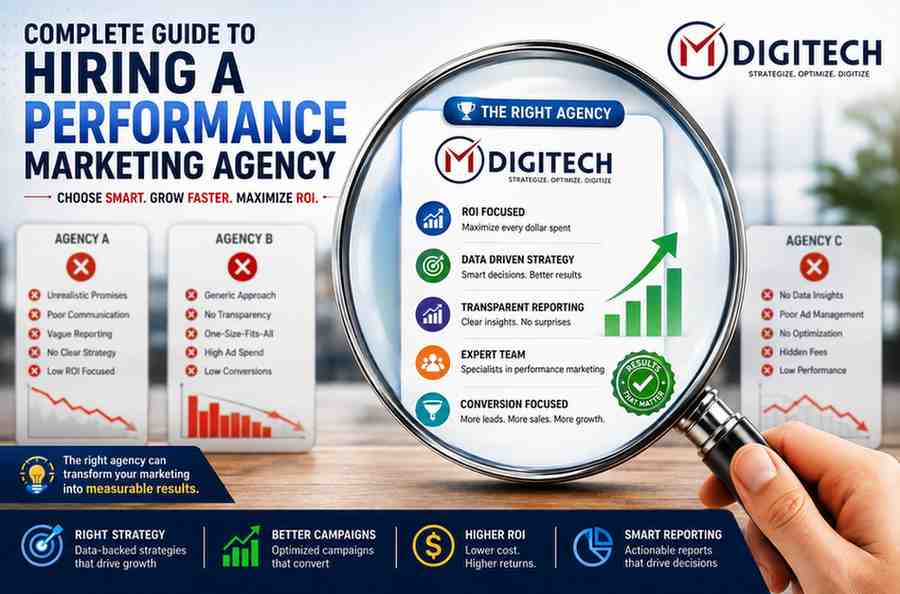
Growth in digital channels depends on measurable outcomes rather than assumptions. Every click, impression, and conversion carries value when tracked with precision.
Choosing the best performance marketing service provider can define whether campaigns generate revenue or drain budgets without clarity.
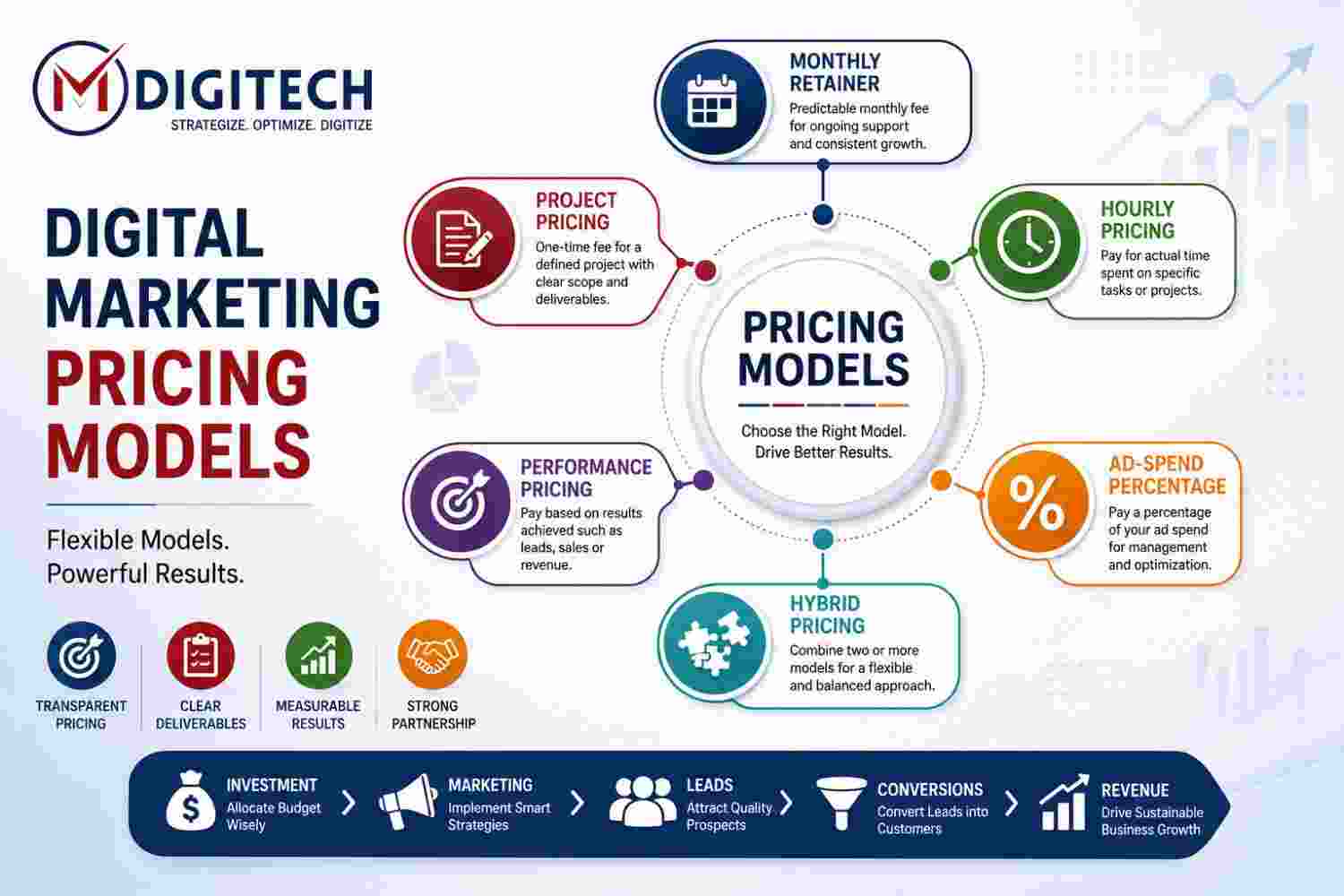
Performance marketing focuses on accountability. Businesses invest in campaigns that deliver clear results—leads, sales, or specific actions—rather than vague visibility metrics. This approach aligns marketing efforts with real business objectives and ensures every rupee spent contributes toward growth.
What is performance marketing and why does it matter for businesses?
Performance marketing refers to digital strategies where advertisers pay based on specific actions such as clicks, conversions, or sales. This model eliminates guesswork and emphasizes measurable outcomes.
Businesses rely on this approach because it reduces risk. Instead of investing heavily in campaigns without guaranteed outcomes, they allocate budgets toward channels that prove effectiveness through data.
Key reasons businesses prioritize performance marketing include:
- Precise tracking of every user interaction
- Budget optimization based on real-time performance
- Improved return on investment (ROI)
- Ability to scale campaigns quickly
- Data-backed decision-making
This method creates a direct link between marketing spend and revenue generation, making it essential for companies aiming for consistent growth.
How does performance marketing differ from traditional marketing?
Traditional marketing often focuses on brand awareness through channels like television, print, or outdoor advertising. These methods build visibility but lack precise tracking.
Performance marketing operates differently. It prioritizes measurable actions and allows businesses to monitor every stage of the customer journey.
Key differences include:
- Measurement: Performance marketing tracks conversions; traditional methods rely on estimated reach
- Cost structure: Payment occurs for results, not exposure
- Flexibility: Campaigns adjust instantly based on performance data
- Targeting: Advanced audience segmentation improves relevance
This shift from broad messaging to data-driven execution gives businesses a competitive advantage.
What channels fall under performance marketing services?
Performance marketing covers a wide range of digital channels. Each platform serves a specific role in driving results.
Common channels include:
- Search engine advertising (PPC): Targets users actively searching for products or services
- Social media advertising: Engages audiences based on interests, behavior, and demographics
- Affiliate marketing: Partners promote products and earn commissions on conversions
- Display advertising: Uses visual banners to attract attention and retarget users
- Native advertising: Blends with platform content to maintain a natural user experience
Businesses often combine multiple channels to create a balanced and effective strategy.
How do performance marketing campaigns actually work?
Performance marketing campaigns follow a structured process. Each step focuses on achieving specific outcomes.
The process typically includes:
- Goal definition: Identify objectives such as lead generation or sales
- Audience targeting: Segment users based on behavior and intent
- Creative development: Design ads that capture attention and drive action
- Campaign execution: Launch ads across selected platforms
- Tracking and analytics: Monitor performance using advanced tools
- Optimization: Adjust campaigns to improve results
This continuous cycle ensures campaigns evolve based on real data rather than assumptions.
What metrics define success in performance marketing?
Success depends on measurable metrics that align with business goals. These indicators provide clarity on campaign effectiveness.
Important metrics include:
- Cost Per Click (CPC): Amount spent for each click
- Cost Per Acquisition (CPA): Cost required to gain a customer
- Return on Ad Spend (ROAS): Revenue generated from advertising investment
- Conversion Rate: Percentage of users completing desired actions
- Click-Through Rate (CTR): Ratio of clicks to impressions
Tracking these metrics allows businesses to identify strengths and areas for improvement.
How can businesses choose the right performance marketing strategy?
Selecting the right strategy requires alignment with business objectives, target audience, and budget.
Businesses should consider:
- The nature of their products or services
- Customer behavior and buying journey
- Competitive landscape
- Available marketing budget
- Long-term growth goals
A clear strategy ensures resources are allocated effectively and campaigns deliver consistent results.
What role does data play in performance marketing success?
Data drives every decision in performance marketing. It provides insights into user behavior, campaign performance, and market trends.
Businesses use data to:
- Identify high-performing channels
- Optimize targeting and messaging
- Allocate budgets efficiently
- Predict future performance
Without accurate data, campaigns lose direction and fail to deliver meaningful results.
How does audience targeting improve campaign performance?
Audience targeting ensures ads reach users who are most likely to convert. This reduces wasted spend and increases efficiency.
Targeting methods include:
- Demographic segmentation (age, gender, location)
- Behavioral targeting (online activities, purchase history)
- Interest-based targeting
- Retargeting previous website visitors
By focusing on the right audience, businesses maximize the impact of their campaigns.
What makes ad creatives effective in performance marketing?
Ad creatives play a crucial role in capturing attention and driving action. Effective creatives combine visual appeal with clear messaging.
Key elements include:
- Strong headlines that address user intent
- Compelling visuals that attract attention
- Clear call-to-action (CTA)
- Consistent branding
- Mobile-friendly design
High-quality creatives improve engagement and increase conversion rates.
How does budget allocation impact campaign results?
Budget allocation determines how effectively campaigns perform across channels. Poor allocation leads to wasted resources and missed opportunities.
Businesses should:
- Invest more in high-performing channels
- Test different budget distributions
- Monitor spending regularly
- Adjust budgets based on performance
Strategic allocation ensures maximum return on investment.
What challenges do businesses face in performance marketing?
Despite its advantages, performance marketing presents challenges that require careful management.
Common challenges include:
- Increasing competition and rising costs
- Ad fatigue due to repetitive creatives
- Data privacy regulations affecting tracking
- Platform algorithm changes
- Difficulty in scaling campaigns consistently
Addressing these challenges requires continuous optimization and strategic planning.
How can businesses scale performance marketing campaigns?
Scaling campaigns involves increasing reach and revenue without compromising efficiency.
Effective scaling strategies include:
- Expanding to new platforms
- Increasing budgets for high-performing campaigns
- Testing new audience segments
- Enhancing creatives
- Automating campaign management
Scaling requires a balance between growth and maintaining profitability.
What role does automation play in performance marketing?
Automation simplifies campaign management and improves efficiency. Advanced tools handle repetitive tasks and optimize performance.
Benefits of automation include:
- Real-time bid adjustments
- Automated audience targeting
- Performance-based budget allocation
- Faster data analysis
Automation allows marketers to focus on strategy rather than manual processes.
How important is landing page optimization in performance marketing?
Landing pages directly influence conversion rates. Even the best campaigns fail if landing pages do not meet user expectations.
Key factors include:
- Fast loading speed
- Clear and relevant content
- Strong call-to-action
- Mobile responsiveness
- Trust signals such as reviews and testimonials
Optimized landing pages ensure users complete desired actions.
Where does performance marketing fit in a broader digital strategy?
Performance marketing acts as a core component of digital growth strategies. It complements other efforts such as SEO, content marketing, and branding.
While SEO builds long-term visibility, performance marketing delivers immediate results. Together, they create a balanced approach that drives both short-term gains and sustained growth.
How can businesses measure long-term success in performance marketing?
Long-term success depends on consistency, adaptability, and continuous improvement.
Businesses should focus on:
- Sustained ROI growth
- Customer lifetime value (CLV)
- Brand recall and trust
- Scalable campaign structures
By analyzing long-term trends, businesses can refine strategies and maintain competitive advantage.
Conclusion
Performance marketing empowers businesses to take control of their growth through measurable and data-driven strategies. It transforms marketing from an expense into an investment with clear returns.
Organizations that prioritize precision, adaptability, and continuous optimization gain a significant edge. They turn insights into action, campaigns into revenue, and data into growth.
The ability to track every interaction, refine every campaign, and scale successful strategies makes performance marketing an essential part of modern business success.